

Coventry Blitz - All the facts you need to know
Coventry is a city shaped by resilience, reinvention, and extraordinary history. Among the defining moments in its long story, few have left as profound an imprint as the night of 14 November 1940. If you are searching for meaningful things to do in Coventry, UK, discovering the history of the Coventry Blitz offers a moving look into how our city transformed destruction into an enduring international message of peace and reconciliation.
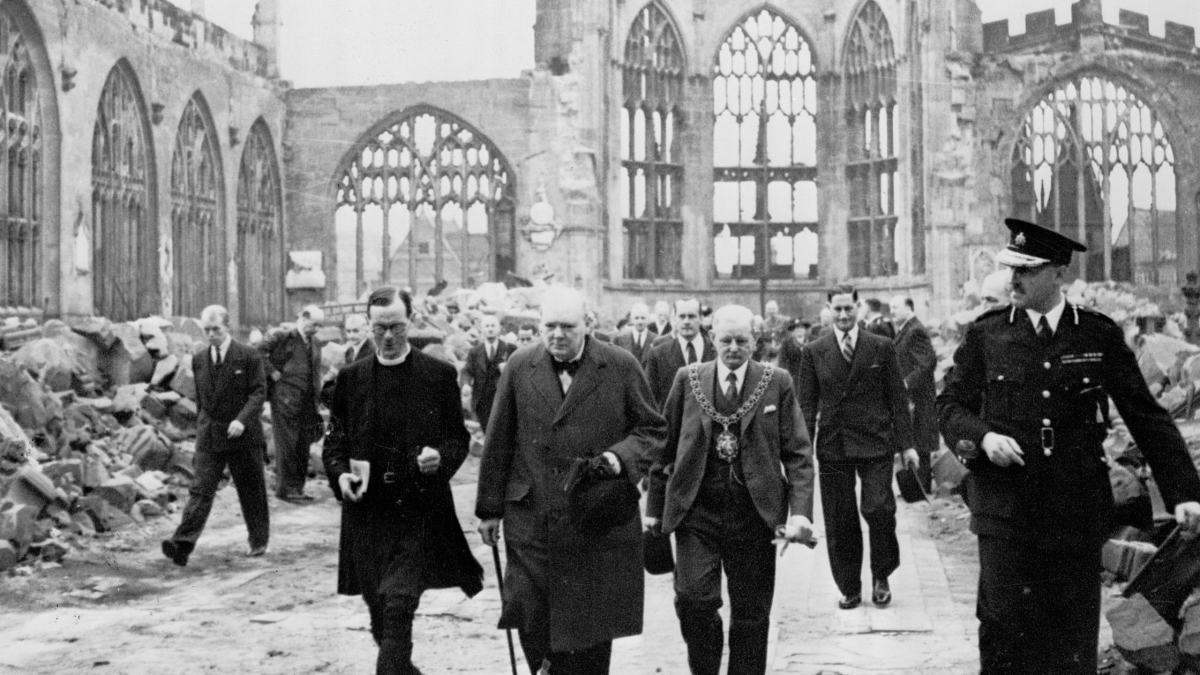
Here are the essential facts you need to know about the Coventry Blitz, along with how you can experience this history firsthand during your visit to Coventry.
Key Facts About the Coventry Blitz
-
The Night of 'Moonlight Sonata': On the moonlit night of 14 November 1940, the Luftwaffe launched codename Operation Moonlight Sonata. Lasting for 11 continuous hours and involving nearly 500 bombers, it was the single most concentrated air attack on a British city during the Second World War.
-
The Scale of Destruction: Over the course of the raid, 500 tons of high explosives, 30,000 incendiaries, and 50 landmines were dropped across the city. The bombardment destroyed or damaged over 43,000 homes (more than half of Coventry's housing stock at the time) alongside central libraries, historic halls, and key industrial sites.
-
Tragic Loss of Life: The raid tragically claimed the lives of 568 people, while a further 863 were seriously injured and 393 received lighter injuries.
-
The Destruction of St Michael's Cathedral: Coventry lost its great medieval Cathedral of St Michael during the raid, making it the only English cathedral destroyed during WWII. The cathedral burned after being hit by multiple incendiary bombs.
-
Providence and Hope Amidst the Ashes: Two iconic symbols emerged from the destruction: the Cross of Nails, crafted by Provost Richard Howard using three large medieval roof nails salvaged from the ruins, and the Charred Cross, formed from two burnt timber beams that fell together in the shape of a cross.
-
The Royal Visit: Two days after the attack, on 16 November 1940, King George VI visited Coventry to survey the devastation and stand with the traumatised community.
-
A New Word Enters the Dictionary: The sheer intensity of the destruction led German propaganda to coin the verb 'coventrieren' ('to coventrate'), meaning to destroy a city completely from the air.
-
A Global Pioneer in Peace and Reconciliation: Coventry’s response to tragedy defined its modern spirit. Rather than harbouring bitterness, the city chose healing. In 1947, Coventry adopted Kiel as its first German twin city, followed by Dresden in 1956. Today, the preserved Old Cathedral ruins stand side-by-side with the modern New Cathedral, forming a world-famous symbol of hope and unity.
Step Inside History at the Coventry Blitz Museum
To truly understand the courage and spirit of the era, a visit to the Coventry Blitz Museum is an absolute must. Hidden within the atmospheric Cathedral Ruins, this volunteer-run museum transports you straight back to the 1940s.
Walk through reconstructed wartime schoolrooms and homes, examine authentic local artefacts, and hear the real stories of everyday people who lived through the blackout. It stands out as one of the most compelling heritage places to visit in the city centre.
Plan Your Visit to Coventry
From exploring medieval cobblestones and historic landmarks to finding out what's on in Coventry during your stay, our city offers an unforgettable blend of culture, heritage, and modern energy.
To make the most of your trip, check out our official Visitor Guide. It is packed with insider tips, recommended itineraries, and practical details on where to stay, eat, and explore.